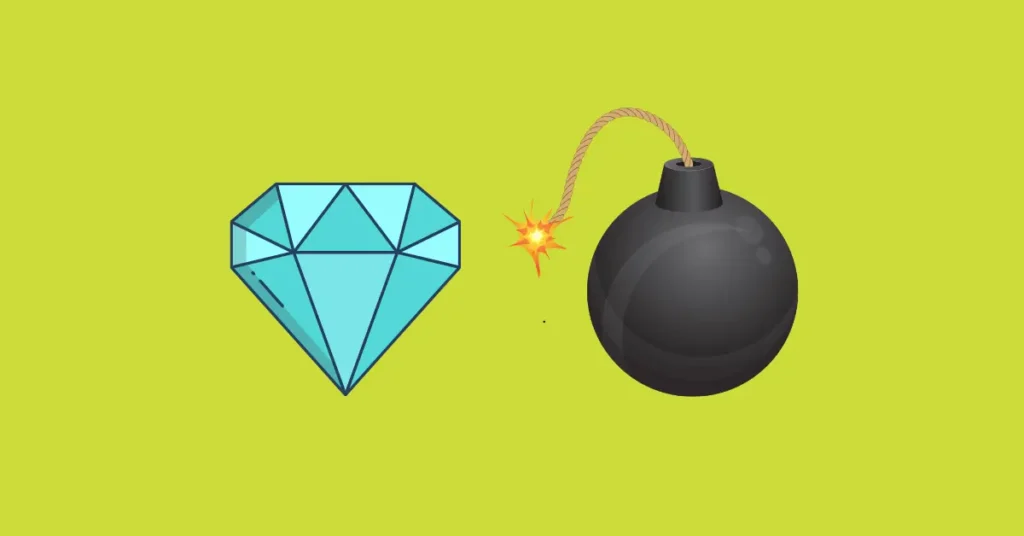
The Mines game is fast, addictive, and full of opportunity. But with real money on the line, diving in without experience can lead to costly mistakes. That’s where free play mode comes in. It allows you to explore every aspect of the game—risk-free. Whether you’re a complete beginner or looking to refine your current strategy, practicing Mines without financial pressure is one of the smartest decisions you can make.
In this guide, we’ll break down how to take full advantage of Mines game free play options. You’ll learn how to practice effectively, which strategies to test, and how to transition from practice mode to real-money play with confidence and skill.
What Is Mines Game Free Play?
Free play, also known as demo mode or practice mode, is a version of the Mines game that allows users to play with virtual currency instead of real money. The mechanics are identical to live play: the minefield layout, the risk-reward structure, and the payout multipliers all remain the same. The key difference is that no real funds are gained or lost.
Many online casinos and game platforms now offer free play versions of Mines. This option is especially popular with new players who want to understand how the game works before risking their bankrolls. Free play is also useful for experienced players testing new strategies or bet patterns in a safe environment.
The biggest advantage of free play is psychological freedom. With no real money at stake, you can make bold moves, test different bet sizes, and study the outcomes without the emotional pressure that comes with financial risk.
Why Practice Matters in Mines
Success in Mines isn’t based solely on luck. It’s a game of calculated risk, probability, and strategic decision-making. While the mines are placed randomly, your choices—such as when to cash out and how many mines to set—can have a measurable effect on long-term outcomes.
Practicing in free play allows you to simulate real-world scenarios over and over. This repetition helps you internalize how different decisions affect your results. The more you play, the more patterns you begin to recognize, such as when to adjust your cash-out point or how aggressive you can be with certain mine settings.
It’s not just about mechanical learning. Practice also builds discipline. Many players lose money because of emotional decisions—chasing losses, over-betting, or holding out too long for a big multiplier. These habits are easier to correct in a free play environment, where the consequences are educational rather than financial.
Learning to Set Optimal Mine Counts
One of the key decisions before each Mines round is how many mines to place on the board. Fewer mines give you safer chances to hit multiple tiles in a row, while more mines raise the stakes with higher multipliers but greater risk.
Free play lets you test various mine settings extensively. You can start with low-mine setups and try building consistent profits by cashing out early. Then, you can experiment with high-risk, high-reward setups and evaluate whether the increased volatility suits your personal style.
Over time, you’ll develop an intuitive feel for how different mine counts influence your strategy. This understanding is essential before playing with real stakes because it helps you align your risk appetite with your bet sizing and cash-out timing.
Building and Refining Strategy Through Practice
One major benefit of free play is the ability to test betting systems without risk. Whether you’re trying flat betting, progressive betting, or a customized approach, free play gives you unlimited opportunity to refine your method.
You can also track performance across dozens or even hundreds of sessions. Doing so helps you understand whether your strategy is sustainable in the long run. Many platforms let you refresh the game and instantly begin a new round, so it’s easy to gather data quickly and improve decision-making through trial and error.
Here’s where things become interesting: after practicing for a significant number of rounds, many players find that their confidence improves, and so does their accuracy in knowing when to cash out. When these instincts are built in a zero-pressure environment, they’re more reliable during real-money gameplay.
Understanding Cash-Out Dynamics
In Mines, knowing when to cash out is as important as avoiding mines. Each safe tile you uncover increases your payout multiplier, but every new click also increases your risk of losing it all. Practicing this decision repeatedly in free play sharpens your sense of balance between greed and caution.
You might discover that your performance improves by consistently cashing out at a 2x multiplier instead of pushing for 5x every time. Or you may learn that in low-mine scenarios, it’s statistically sound to go a few tiles deeper. These insights are hard to develop without repeated experimentation—exactly what free play enables.
Comparing Free Play vs Real Money Play
| Feature | Free Play Mode | Real Money Mode |
|---|---|---|
| Financial Risk | None | Yes |
| Learning Opportunity | Unlimited testing and repetition | Limited by bankroll |
| Emotional Pressure | Very low | High |
| Strategy Development | Excellent | Practical application only |
| Game Mechanics | Identical to real play | Identical to free play |
Emotional Conditioning Without Financial Risk
Gambling can be stressful, especially when real money is on the line. Free play offers a stress-free way to condition your mind for the pace and uncertainty of Mines. You learn to manage expectations, control impulses, and recognize emotional patterns—such as becoming overconfident after wins or impatient after losses.
This emotional rehearsal is often overlooked, but it can be the defining edge between successful and unsuccessful players. Free play lets you develop a calm, calculated mindset. Then, when it’s time to transition to real money, your behavior remains stable, focused, and less prone to destructive decision-making.
Practicing Session Limits and Self-Control
Free play also offers a great opportunity to simulate session limits. Many players suffer losses because they don’t know when to stop. Practicing with time or round-based limits—even in free play—helps instill better habits. You learn to walk away after a set goal is achieved or a predetermined number of rounds is complete.
These behavioral limits carry over into real play and protect your bankroll. Treat free play like a real session, and it becomes a rehearsal for discipline. Don’t just click endlessly. Set conditions: for example, stop after ten wins, or after doubling your virtual bankroll. This kind of structured approach turns free play into a powerful training tool.
Choosing the Right Platforms for Free Play
Not every casino offers Mines in free play mode, so choosing the right platform matters. Look for trusted, licensed casinos that provide a demo version of Mines with full functionality. Ideally, the free version should allow you to adjust mine count, bet size, and board layout just as you would in real-money play.
Some crypto casinos also offer “test wallets” or faucet features, giving you a small amount of free crypto to use on the platform, which can simulate real conditions even more closely. When available, this can be a great step between pure demo play and actual deposits.
When to Transition to Real Money
Eventually, the goal of practicing Mines in free play is to build enough confidence and skill to transition into real-money games. The right time to make that jump is when you’ve developed consistent results, understand your risk limits, and have created a solid, repeatable strategy.
Start small. Use a portion of your bankroll and stick to the strategies that proved successful during your free play sessions. Remember that the emotional weight of real money will still affect your decisions, so begin with modest bets and short sessions.
The ideal transition path is gradual. You might play five free sessions for every real one, continuing to refine your skills while slowly getting accustomed to the pressures of actual stakes. The better your preparation, the smoother and more successful your shift to real-money gameplay will be.
Conclusion
Mines game free play is far more than a casual diversion. It’s a powerful training ground for learning, refining, and mastering the game’s most important skills. By playing without financial risk, you gain the freedom to experiment, fail, adapt, and ultimately succeed in building a personalized strategy.
Whether you’re working on optimal mine settings, timing your cash-outs, or developing emotional control, the free play environment is your laboratory. Make use of it, and you’ll not only protect your bankroll when real money is involved—you’ll dramatically increase your edge against the game itself.
For any player serious about long-term success in Mines, starting with free play isn’t optional—it’s essential.
Must read: