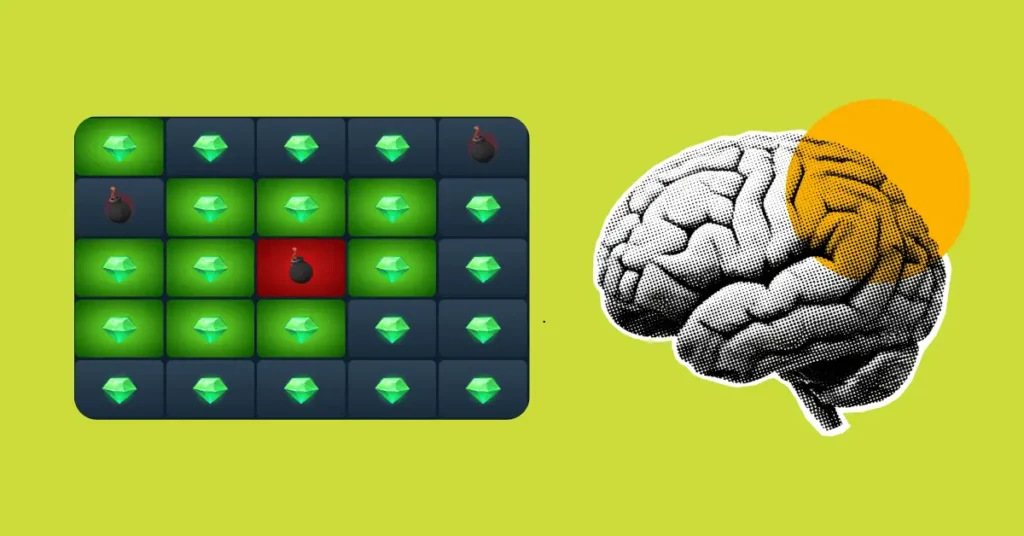
In the world of online gambling, the Mines game stands out for its simplicity and intensity. Each click reveals either a reward or a mine, and the tension builds with every move. But beneath its straightforward mechanics lies a deeper layer—your mental state. The real battle in Mines often takes place in your mind, not on the board. To play successfully, mastering your emotions and understanding the psychological traps is just as important as knowing the game itself.
If you’ve ever felt yourself spiraling after a loss, or getting greedy after a streak of wins, you’re not alone. These are common emotional patterns that can ruin your session if you’re not prepared. In this guide, we’ll explore how the psychology of Mines influences your decisions, how to build emotional control, and how to stay sharp across every round you play.
How Risk and Emotion Interact in Mines
Mines is a game of rising tension. With every safe tile you click, the reward goes up—but so does the pressure. Players experience a rush of adrenaline with each success, and that high can quickly lead to overconfidence. The moment you hit a mine, that confidence turns into frustration or panic, leading to impulsive decisions.
The psychological trap here is the cycle of reward and punishment. When your emotions start controlling your decisions, you begin playing reactively instead of strategically. The key is to stay in control of your reactions and not let temporary wins or losses dictate your next move.
Emotional Triggers That Lead to Poor Gameplay
Tilt is one of the most dangerous emotional states in Mines. It usually happens after a sudden loss and leads to irrational behavior. You might increase your bets, play faster, or ignore your usual strategy in an attempt to recover quickly. This emotional reaction not only damages your bankroll but also clouds your ability to make good decisions.
Another common trap is the surge of overconfidence that follows a winning streak. After a few successful rounds, it’s easy to feel invincible. Players begin to take bigger risks, push deeper into each round, and ignore their exit plans. The game is built to punish this behavior, and it often ends in a sharp reversal of fortune.
Then there’s the fear of missing out. This shows up when you’re one tile away from a big payout and feel like you “have to” click just one more. Instead of cashing out with a reasonable win, players keep going and lose it all. Recognizing this emotional pressure and learning to resist it is part of building mental discipline.
Developing a Strong Mental Framework
One of the most powerful tools a Mines player can have is a solid mental framework. That means going into each session with a clear plan: how much you’re willing to risk, how long you’ll play, and what your profit or loss limits are. Without these boundaries, it’s easy to get swept away by the emotional highs and lows of the game.
A great way to reinforce this mental structure is to treat each round like a business decision rather than a gamble. Ask yourself if each move aligns with your overall plan. If it doesn’t, stop and rethink. This helps you stay grounded and prevents emotion from taking control of your strategy.
Another important tactic is taking breaks at the right time. When you notice frustration building or when you feel tempted to keep playing after a big win, step away for a few minutes. This short pause can reset your mindset and protect your bankroll.
How Session Logs Improve Mental Discipline
Many experienced players keep a session log to track their gameplay. This practice not only helps identify patterns in wins and losses but also gives you insight into your emotional state during key moments. If you notice that your worst losses come after a win streak or late in long sessions, you’ll know when you’re most vulnerable to mistakes.
Here’s a simple table you can use to start tracking your sessions:
| Session Time | Bankroll Start | Bankroll End | Max Bet | Max Loss | Emotion Notes |
|---|---|---|---|---|---|
| 2:00 PM | $100 | $120 | $5 | -$20 | Calm, focused |
| 6:30 PM | $120 | $80 | $10 | -$40 | Tilt after fast loss |
| 10:00 PM | $80 | $95 | $3 | -$5 | Relaxed, stayed cautious |
Creating a Resilient Player Mindset
Resilience in gambling doesn’t mean you never get emotional—it means you learn how to manage your emotions without letting them take over. If you’re calm, focused, and not overreacting to each outcome, you’re much more likely to make good choices. Mental endurance, like physical endurance, builds over time with consistent effort and reflection.
Approach Mines as a long game. You’re not trying to win every round. You’re trying to make good decisions over and over again. When you think this way, a single loss no longer feels like a failure—it’s just part of the process. And a single win doesn’t make you invincible—it’s just one step in a longer journey.
When to End a Session for Your Mental Health
Many players continue playing Mines past the point of enjoyment. Whether it’s chasing a loss or trying to extend a lucky streak, this kind of overextension can quickly lead to burnout. It’s crucial to recognize when your focus is slipping or your emotions are running high.
Setting an endpoint before you begin is a smart practice. Decide in advance that you’ll stop playing once you’ve either won a set amount or reached a loss limit. This removes the guesswork and emotional pressure from the decision. It also helps keep the game fun—and that’s the whole point in the end.
Final Thoughts on Mastering the Mental Game
Mines is simple to learn, but hard to master—especially if you overlook the psychological side of the game. Success isn’t just about clicking the right tiles. It’s about staying in control, thinking clearly, and not letting your emotions lead the way.
When you build a strong mental game, you give yourself a huge advantage. You make fewer mistakes, recover from losses faster, and increase your chances of walking away ahead. The real skill in Mines lies not in luck, but in mastering the one thing you always have control over: your own mind.
Don’t miss: